Fire officials give advice for safe home heating in frigid weather
By Edward Damon, North Adams Transcript
NORTH ADAMS -- Local fire officials are offering advice on ways Northern Berkshire residents can stay safe and warm this winter.Chimney fires, freezing pipes and carbon monoxide are some of the dangers local fire officials identified.
North Adams Fire Director Stephen A. Meranti said Thursday the city fire department responded to 10 chimney fires last winter."If you have the proper installations, most chimney can sustain a chimney fire," he said. "But after a fire, it has to be clean and inspected by the building department. ... We've had chimney fires in the past that have extended into the house." Burning seasoned wood -- that's been left out for about a year -- will prevent creosote buildup that could cause a chimney fire, he said. "If you're installing a woodstove into your house, a building permit should be applied for," Meranti said. A three-foot area around a heating source, like a fireplace or space heater, should be kept clear, he said. New space heaters now turn off when they are accidentally tipped over, he added. But there's still a lot of old space heaters out there that people pick up at tag sales," Meranti said. "And an electric space heater should always be plugged directly into an outlet, not an extension cord."
Adams Fire Chief Paul Goyette said having a licensed professional service a furnace can prevent dangerous situations. "We respond to furnace blowbacks because they haven't been serviced," he said. "Some people can't afford to have a licensed professional to come in and do that." Goyette also reminded residents to check batteries in smoke detectors and carbon monoxide detectors. "We're in the time of year when people take the batteries out of the devices so they can put them in their children's new toys," he said. "Then they forget to put them back in."
Meranti warned against using blowtorches to defrost frozen pipes, which he said could catch cobwebs or even insulation on fire. Hair dryers can be used, he said, as long as it isn't left on unattended. When in doubt, homeowners should call a licensed professional, he said.
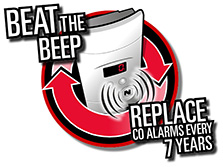
Carbon monoxide detectors typically last between five and seven years, Goyette said, and a beep every 30 seconds may signal it needs to be replaced. Manufacturing dates are printed on the back, he said.
Meranti noted that property owners are responsible for the installation and maintenance of both smoke detectors and carbon monoxide detectors. Vents for home furnaces, hot water heater, and dryer vents should be kept clear of snow to prevent flue gases from backing up into the home and causing carbon monoxide poisoning, Meranti said. "If you're do lose power and you running a generator, run it outside, not the garage or basement," he said. Meranti also warned against plugging a generator into a wall outlet. The practice, known as "backfeeding," can cause an electrocution risk to utility workers. Instead, plug an appliance directly into the generator, he said, or use a heavy-duty, outdoor rated extension cord. "If you do lose power, consider going to a relative or friend's house who does have power," he added.
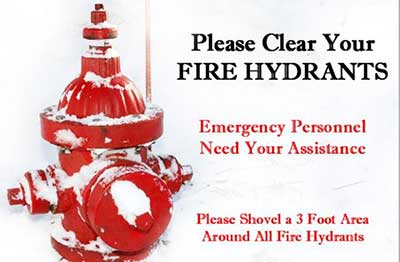
Other tips that Meranti offered include adopting a fire hydrant in front of your home to clear during a snow storm and making sure house numbers are visible from the street.
By Edward Damon, North Adams Transcript
NORTH ADAMS -- Local fire officials are offering advice on ways Northern Berkshire residents can stay safe and warm this winter.Chimney fires, freezing pipes and carbon monoxide are some of the dangers local fire officials identified.
North Adams Fire Director Stephen A. Meranti said Thursday the city fire department responded to 10 chimney fires last winter."If you have the proper installations, most chimney can sustain a chimney fire," he said. "But after a fire, it has to be clean and inspected by the building department. ... We've had chimney fires in the past that have extended into the house." Burning seasoned wood -- that's been left out for about a year -- will prevent creosote buildup that could cause a chimney fire, he said. "If you're installing a woodstove into your house, a building permit should be applied for," Meranti said. A three-foot area around a heating source, like a fireplace or space heater, should be kept clear, he said. New space heaters now turn off when they are accidentally tipped over, he added. But there's still a lot of old space heaters out there that people pick up at tag sales," Meranti said. "And an electric space heater should always be plugged directly into an outlet, not an extension cord."
Adams Fire Chief Paul Goyette said having a licensed professional service a furnace can prevent dangerous situations. "We respond to furnace blowbacks because they haven't been serviced," he said. "Some people can't afford to have a licensed professional to come in and do that." Goyette also reminded residents to check batteries in smoke detectors and carbon monoxide detectors. "We're in the time of year when people take the batteries out of the devices so they can put them in their children's new toys," he said. "Then they forget to put them back in."
Meranti warned against using blowtorches to defrost frozen pipes, which he said could catch cobwebs or even insulation on fire. Hair dryers can be used, he said, as long as it isn't left on unattended. When in doubt, homeowners should call a licensed professional, he said.
Carbon monoxide detectors typically last between five and seven years, Goyette said, and a beep every 30 seconds may signal it needs to be replaced. Manufacturing dates are printed on the back, he said.
Meranti noted that property owners are responsible for the installation and maintenance of both smoke detectors and carbon monoxide detectors. Vents for home furnaces, hot water heater, and dryer vents should be kept clear of snow to prevent flue gases from backing up into the home and causing carbon monoxide poisoning, Meranti said. "If you're do lose power and you running a generator, run it outside, not the garage or basement," he said. Meranti also warned against plugging a generator into a wall outlet. The practice, known as "backfeeding," can cause an electrocution risk to utility workers. Instead, plug an appliance directly into the generator, he said, or use a heavy-duty, outdoor rated extension cord. "If you do lose power, consider going to a relative or friend's house who does have power," he added.
Other tips that Meranti offered include adopting a fire hydrant in front of your home to clear during a snow storm and making sure house numbers are visible from the street.

 RSS Feed